Predict formulas for rubidium oxide and rubidium nitride.
Rb+ with O2- gives Rb2O; with N3- gives Rb3N. Identical patterns to sodium — group position, not atomic size, writes the formula.
Rubidium commonly forms Rb+ in introductory ionic compounds.
| Element | Rubidium |
|---|---|
| Symbol | Rb |
| Atomic number | 37 |
| Common ionic charge | +1 |
| Common ions | Rb+ |
Images are used as visual references; charge rules still depend on the compound.
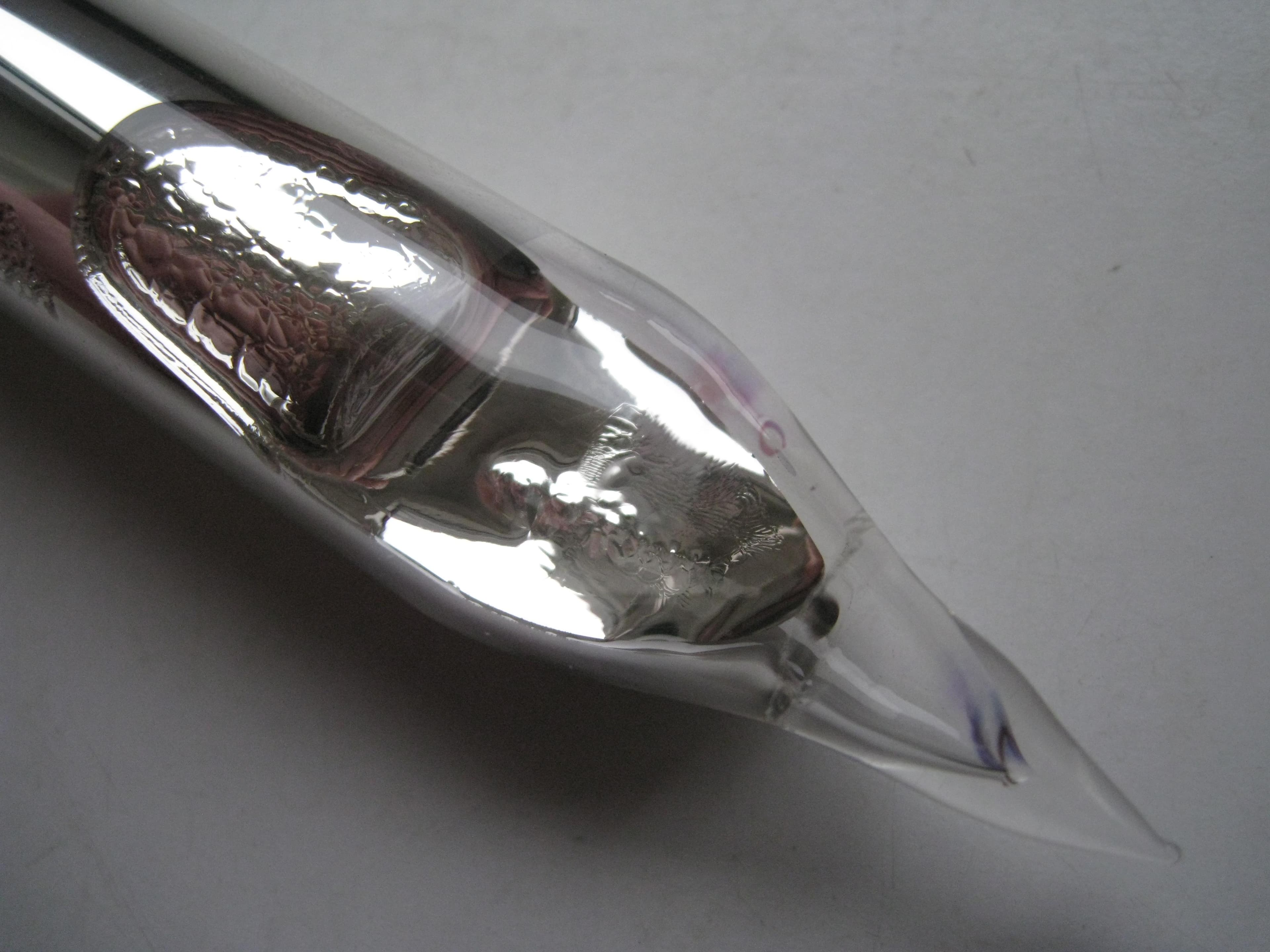
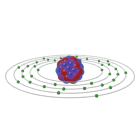
Rubidium is [Kr]5s1. Its single outer electron sits in the fifth shell, farther out and more weakly held (403 kJ/mol) than potassium's — the lowest ionization energy of any stable element except cesium and francium. One easy electron out, then a krypton core no reaction can touch.
Overthinking rubidium problems. Some students expect a twist because the element is unfamiliar — there is none. Every rubidium formula follows the Group 1 pattern: RbF, Rb2O, Rb2SO4, Rb3PO4.
Rb+ with O2- gives Rb2O; with N3- gives Rb3N. Identical patterns to sodium — group position, not atomic size, writes the formula.
Rubidium chloride
Rb+ balances chloride ions.
Rubidium oxide
Rubidium can form oxides where total positive and negative charge balances.
Rubidium clocks watch neutral Rb atoms — a specific microwave frequency (6.83 GHz) flips their outermost electron's spin. GPS satellites carry them. Charge 0; precision comes from that lone 5s electron.
Both reach the same +1 finish line, but rubidium's outer electron starts farther from the nucleus and leaves with less prompting. Reactivity measures the ease of the trip, not the destination.
It has no biological role, but Rb+ is so similar to K+ that cells absorb it readily — the basis of rubidium-82 heart-imaging scans, where the ion maps blood flow to cardiac muscle.
Combine positive and negative ions so the total charge is zero — or let the ionic compound calculator do the crossing for you. The full chart lives on the periodic table with charges.
Charges and element facts on this page are checked against the primary references below. Found an error? Email hello@periodictablewithcharges.com — corrections ship in the next content update. See how this site is edited.