Write the formula for calcium hydride.
Calcium is a Group 2 metal, so Ca2+. Hydride is H-. Two hydrides balance one calcium: CaH2.
Hydrogen commonly forms H+ H- in introductory ionic compounds.
| Element | Hydrogen |
|---|---|
| Symbol | H |
| Atomic number | 1 |
| Common ionic charge | +1, -1 |
| Common ions | H+, H- |
Images are used as visual references; charge rules still depend on the compound.
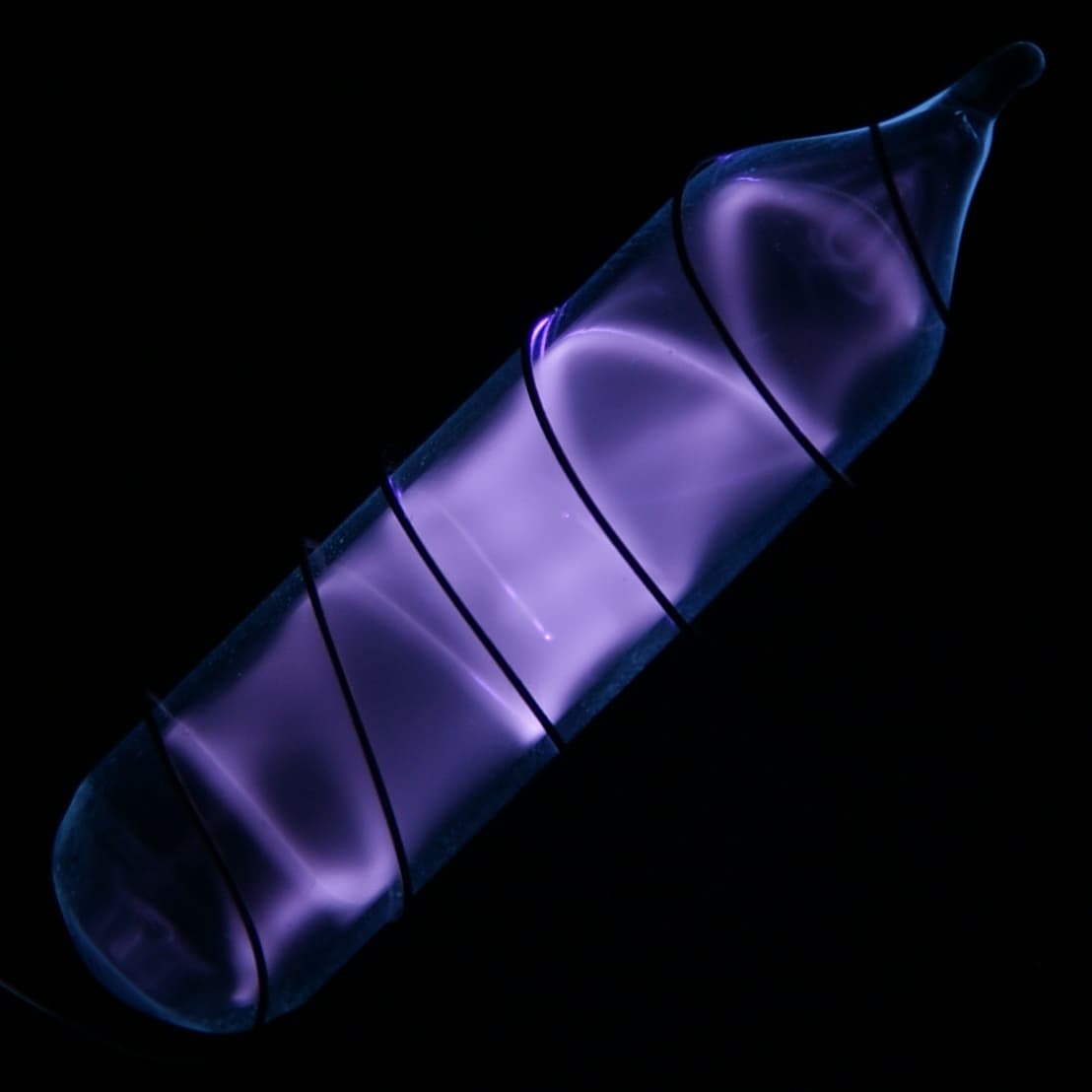
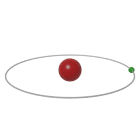
Hydrogen has a single 1s electron. Losing it gives the bare proton H+, which is what acids donate in solution. But hydrogen is also just one electron short of the filled 1s2 configuration of helium, so when it bonds to a strongly electropositive metal it gains an electron instead and becomes hydride.
Students often write hydrogen as -1 in water because it is 'bonded to oxygen.' Direction matters: oxygen is more electronegative, so oxygen takes the electrons and hydrogen stays +1. Hydrogen is only -1 when its partner is a metal less electronegative than itself.
Calcium is a Group 2 metal, so Ca2+. Hydride is H-. Two hydrides balance one calcium: CaH2.
Hydrogen chloride
H+ balances chloride ions.
Hydrogen oxide
Hydrogen can form oxides where total positive and negative charge balances.
In elemental H2 the oxidation state is 0, but inside compounds hydrogen is assigned +1 (with nonmetals) or -1 (with metals). There is no common compound where it stays 0.
Because it behaves both ways: it forms +1 ions like the alkali metals and -1 ions like the halogens. Its placement is a compromise, not a rule about its charge.
-1. Sodium must be +1, and the compound is neutral, so hydrogen carries the negative charge. NaH is a classic hydride.
Combine positive and negative ions so the total charge is zero — or let the ionic compound calculator do the crossing for you. The full chart lives on the periodic table with charges.
Charges and element facts on this page are checked against the primary references below. Found an error? Email hello@periodictablewithcharges.com — corrections ship in the next content update. See how this site is edited.