Write the formula for potassium permanganate, the purple disinfectant.
Permanganate is MnO4-, a 1- polyatomic ion. One K+ balances one MnO4-: KMnO4.
Potassium commonly forms K+ in introductory ionic compounds.
| Element | Potassium |
|---|---|
| Symbol | K |
| Atomic number | 19 |
| Common ionic charge | +1 |
| Common ions | K+ |
Images are used as visual references; charge rules still depend on the compound.
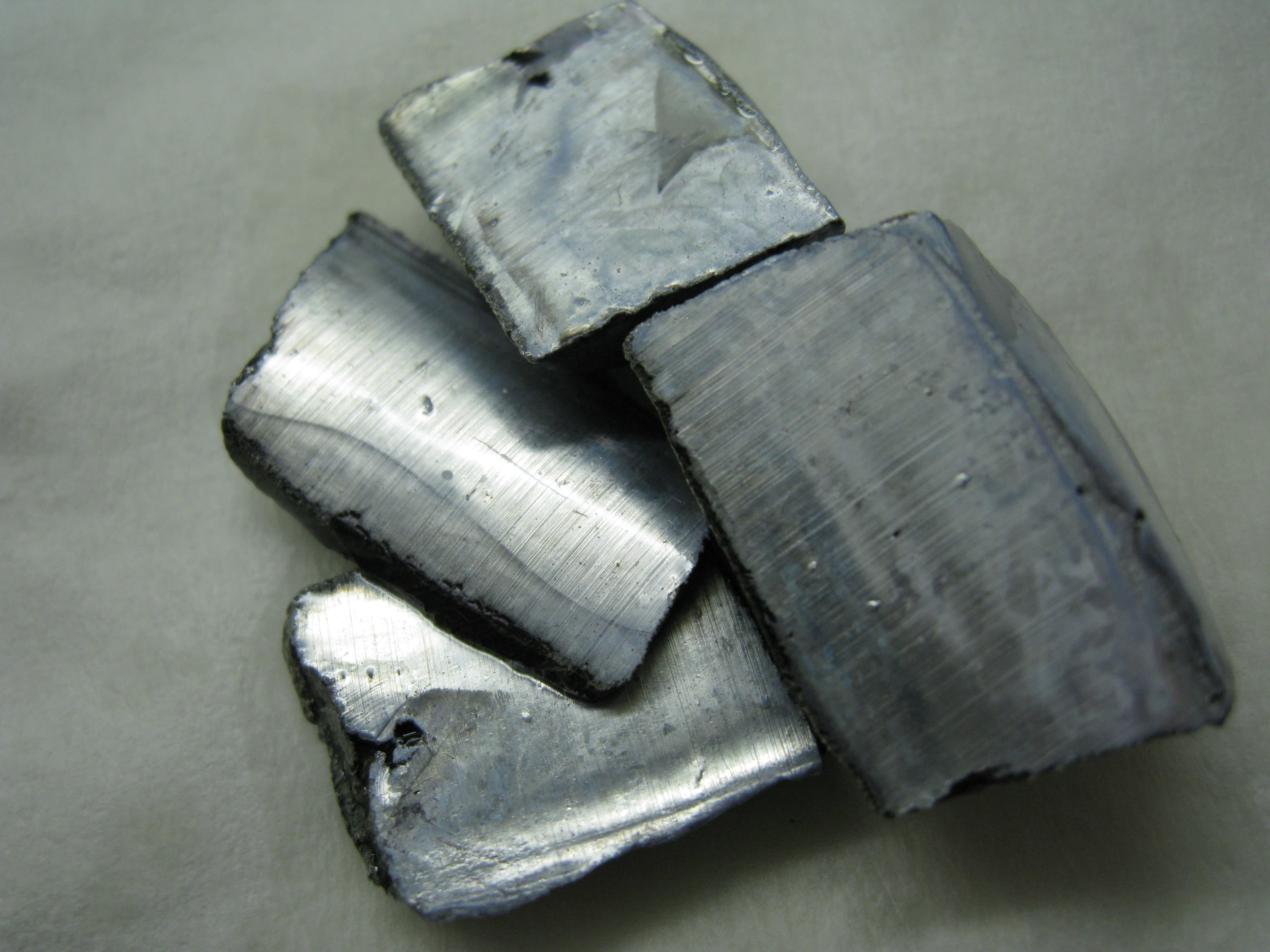
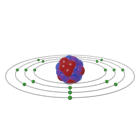
Potassium is [Ar]4s1 — one electron beyond argon's complete shell, and the 4s electron is farther out and easier to remove (419 kJ/mol) than sodium's 3s. Losing it restores the argon core; losing another is chemically impossible at 3,052 kJ/mol.
Balancing K with 2- ions incorrectly. Potassium sulfide is K2S — two K+ ions per sulfide — and potassium sulfate is K2SO4. If you find yourself writing K2+ anywhere, stop and recount.
Permanganate is MnO4-, a 1- polyatomic ion. One K+ balances one MnO4-: KMnO4.
Potassium chloride
K+ balances chloride ions.
Potassium oxide
Potassium can form oxides where total positive and negative charge balances.
No. About 0.012% of natural potassium is the unstable isotope K-40. Radioactivity lives in the nucleus; the +1 charge lives in the electron count. Two separate stories.
K's outer electron sits in the fourth shell, farther from the nucleus and easier to lose. Same +1 destination, lower toll — so potassium hits water harder than sodium does.
Historically K2CO3 leached from wood ash, now shorthand for potassium fertilizer salts (mostly KCl). Every form delivers the same K+ ion that plants need for water regulation.
Combine positive and negative ions so the total charge is zero — or let the ionic compound calculator do the crossing for you. The full chart lives on the periodic table with charges.
Charges and element facts on this page are checked against the primary references below. Found an error? Email hello@periodictablewithcharges.com — corrections ship in the next content update. See how this site is edited.