Write the formula for scandium sulfate.
Sc3+ and SO4 2- cross to a common multiple of 6: Sc2(SO4)3 — structurally identical to aluminum sulfate.
Scandium commonly forms Sc3+ in introductory ionic compounds.
| Element | Scandium |
|---|---|
| Symbol | Sc |
| Atomic number | 21 |
| Common ionic charge | +3 |
| Common ions | Sc3+ |
Images are used as visual references; charge rules still depend on the compound.
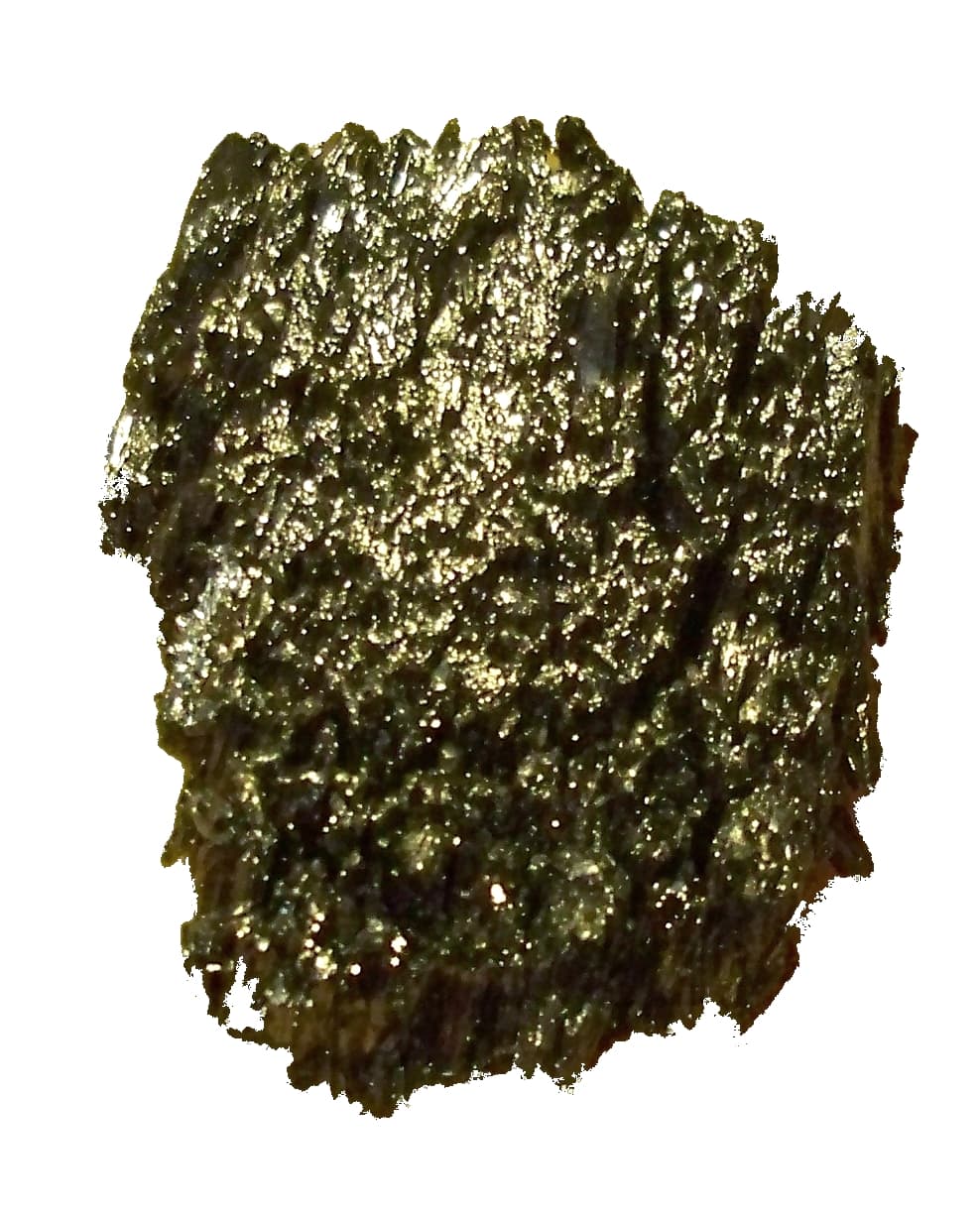
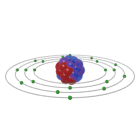
Scandium is [Ar]3d1 4s2. Losing all three outer electrons (two 4s, one 3d) leaves the bare argon core, and there is no stable partial stop along the way. With no d electrons left to shuffle, Sc3+ has no alternative oxidation states worth learning.
This is a classroom reference range, not an exhaustive list of all oxidation states.
Expecting scandium to have variable charges 'because it's a transition metal.' Position in the d-block doesn't automatically mean multiple charges — scandium, along with zinc and silver, is one of the block's fixed-charge exceptions.
Sc3+ and SO4 2- cross to a common multiple of 6: Sc2(SO4)3 — structurally identical to aluminum sulfate.
Scandium chloride
Sc3+ balances chloride ions.
Scandium oxide
Scandium can form oxides where total positive and negative charge balances.
Color in transition-metal ions comes from electrons jumping between d orbitals. Sc3+ has zero d electrons left — no d-d jumps, no color. The same logic explains colorless Zn2+ (full d shell).
Scandium-aluminum alloys in bike frames and aerospace parts, and ScI3 in stadium lights. In the alloy it is neutral metal; in the iodide it is Sc3+.
Yes — IUPAC groups scandium and yttrium with the lanthanides as 'rare earth elements' because all favor the same 3+ charge and hunt together in the same ores.
Combine positive and negative ions so the total charge is zero — or let the ionic compound calculator do the crossing for you. The full chart lives on the periodic table with charges.
Charges and element facts on this page are checked against the primary references below. Found an error? Email hello@periodictablewithcharges.com — corrections ship in the next content update. See how this site is edited.