Write the formula for sodium sulfate.
Sulfate is SO4 2-. Each Na+ carries one positive charge, so two are needed: Na2SO4. Note the sulfate group stays intact — no parentheses needed with only one of them.
Sodium commonly forms Na+ in introductory ionic compounds.
| Element | Sodium |
|---|---|
| Symbol | Na |
| Atomic number | 11 |
| Common ionic charge | +1 |
| Common ions | Na+ |
Images are used as visual references; charge rules still depend on the compound.
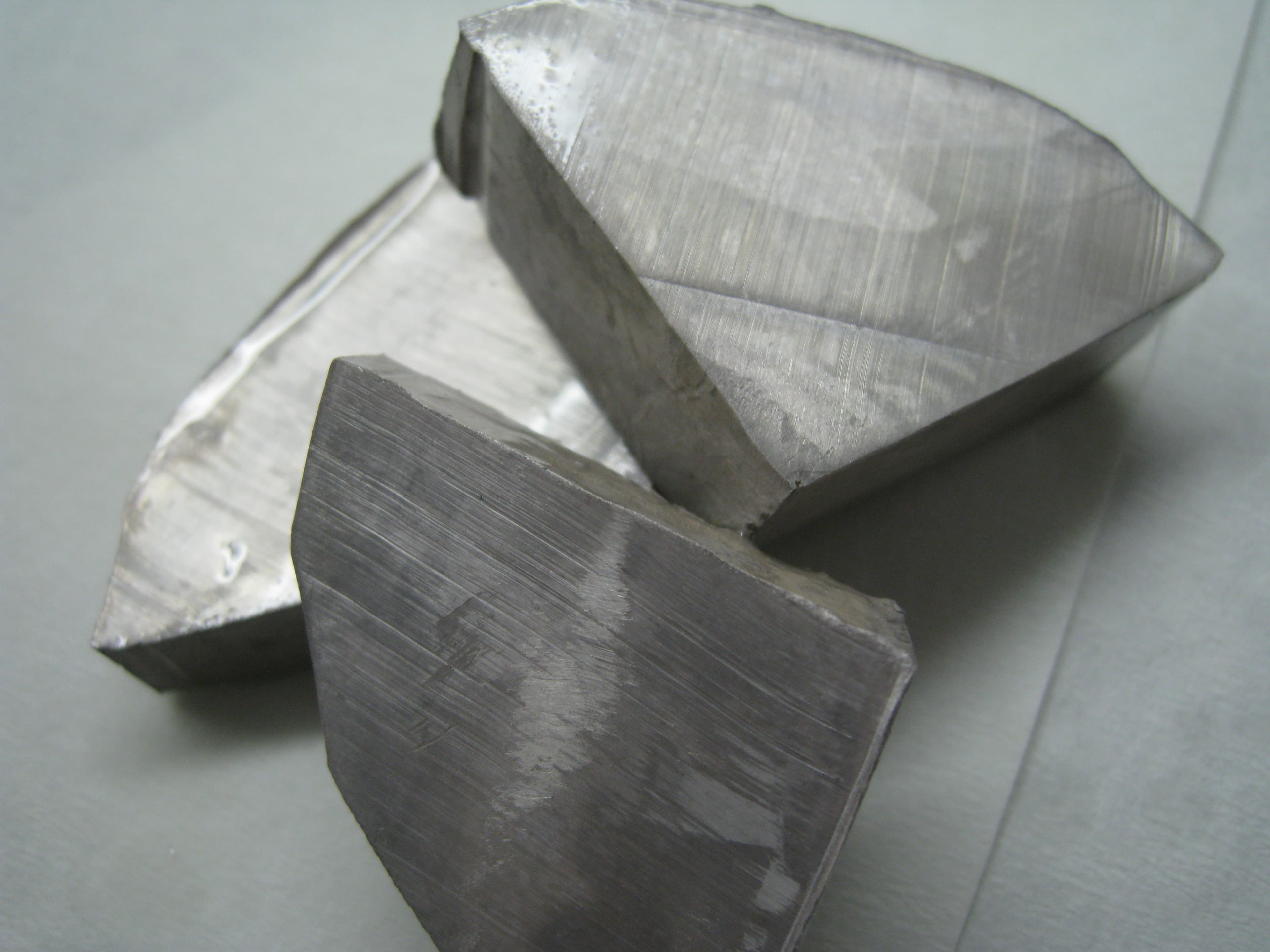
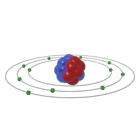
Sodium's configuration is [Ne]3s1: a single electron orbiting a neon core. That electron leaves easily (first ionization energy 496 kJ/mol), but ripping a second one out of the stable neon core costs nearly ten times more. Chemistry never pays that price, so sodium stops at 1+.
Writing Na2+ when balancing formulas with 2- anions. Sodium oxide is Na2O — two separate Na+ ions, not one doubled-up Na2+. The subscript counts ions; it does not multiply the charge.
Sulfate is SO4 2-. Each Na+ carries one positive charge, so two are needed: Na2SO4. Note the sulfate group stays intact — no parentheses needed with only one of them.
Sodium chloride
Na+ balances chloride ions.
Sodium oxide
Sodium can form oxides where total positive and negative charge balances.
Chemically related but wildly different: sodium metal explodes in water, while the Na+ ion in salt is what your body actually needs. The one electron between them changes everything.
Heat kicks the 3s electron to a higher level; it falls back and emits light at 589 nm — the yellow of street lamps. The color identifies sodium but has nothing to do with its charge.
Same +1 charge, different size. Cell membranes exploit that size gap with pumps that push Na+ out and K+ in, creating the voltage nerves run on.
Combine positive and negative ions so the total charge is zero — or let the ionic compound calculator do the crossing for you. The full chart lives on the periodic table with charges.
Charges and element facts on this page are checked against the primary references below. Found an error? Email hello@periodictablewithcharges.com — corrections ship in the next content update. See how this site is edited.