Give the formula for lithium nitride.
Nitride is N3-. Three Li+ ions balance one N3-: Li3N. This compound actually forms when lithium metal sits in nitrogen gas.
Lithium commonly forms Li+ in introductory ionic compounds.
| Element | Lithium |
|---|---|
| Symbol | Li |
| Atomic number | 3 |
| Common ionic charge | +1 |
| Common ions | Li+ |
Images are used as visual references; charge rules still depend on the compound.
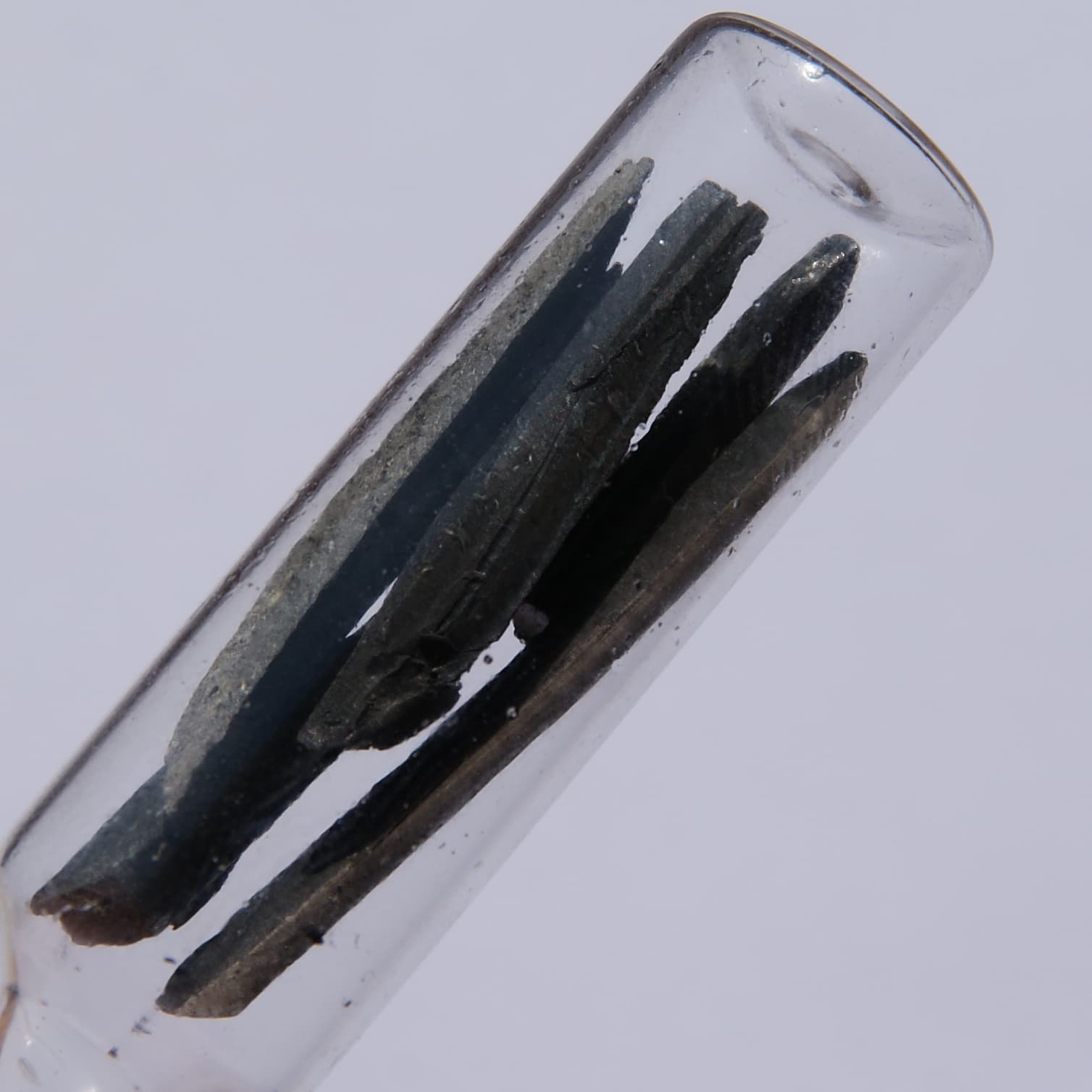
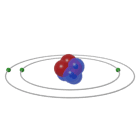
Lithium's configuration is 1s2 2s1 — one lonely electron outside a helium core. Dropping that 2s electron leaves the stable 1s2 arrangement, and the second ionization energy is over ten times larger than the first, so lithium never goes past 1+.
Writing Li2+ 'because lithium is in period 2.' Period number tells you the shell being filled, not the charge. The group number (Group 1) is what sets the +1 charge.
Nitride is N3-. Three Li+ ions balance one N3-: Li3N. This compound actually forms when lithium metal sits in nitrogen gas.
Lithium chloride
Li+ balances chloride ions.
Lithium oxide
Lithium can form oxides where total positive and negative charge balances.
Both, at different moments. The anode stores neutral lithium atoms; during discharge each atom releases an electron to the circuit and travels through the electrolyte as Li+.
Li+ has only the 1s2 core — a single shell. Na+ has two shells. Fewer shells means a smaller radius, which is why Li+ packs so tightly into battery electrode materials.
Organolithium reagents like butyllithium have significant covalent character, but in ionic-compound problems you treat lithium as Li+ without exception.
Combine positive and negative ions so the total charge is zero — or let the ionic compound calculator do the crossing for you. The full chart lives on the periodic table with charges.
Charges and element facts on this page are checked against the primary references below. Found an error? Email hello@periodictablewithcharges.com — corrections ship in the next content update. See how this site is edited.