Write the formula for the compound of aluminum and fluorine.
Al3+ needs three F- to balance: AlF3. Used industrially in aluminum smelting.
Fluorine commonly forms F- in introductory ionic compounds.
| Element | Fluorine |
|---|---|
| Symbol | F |
| Atomic number | 9 |
| Common ionic charge | -1 |
| Common ions | F- |
Images are used as visual references; charge rules still depend on the compound.
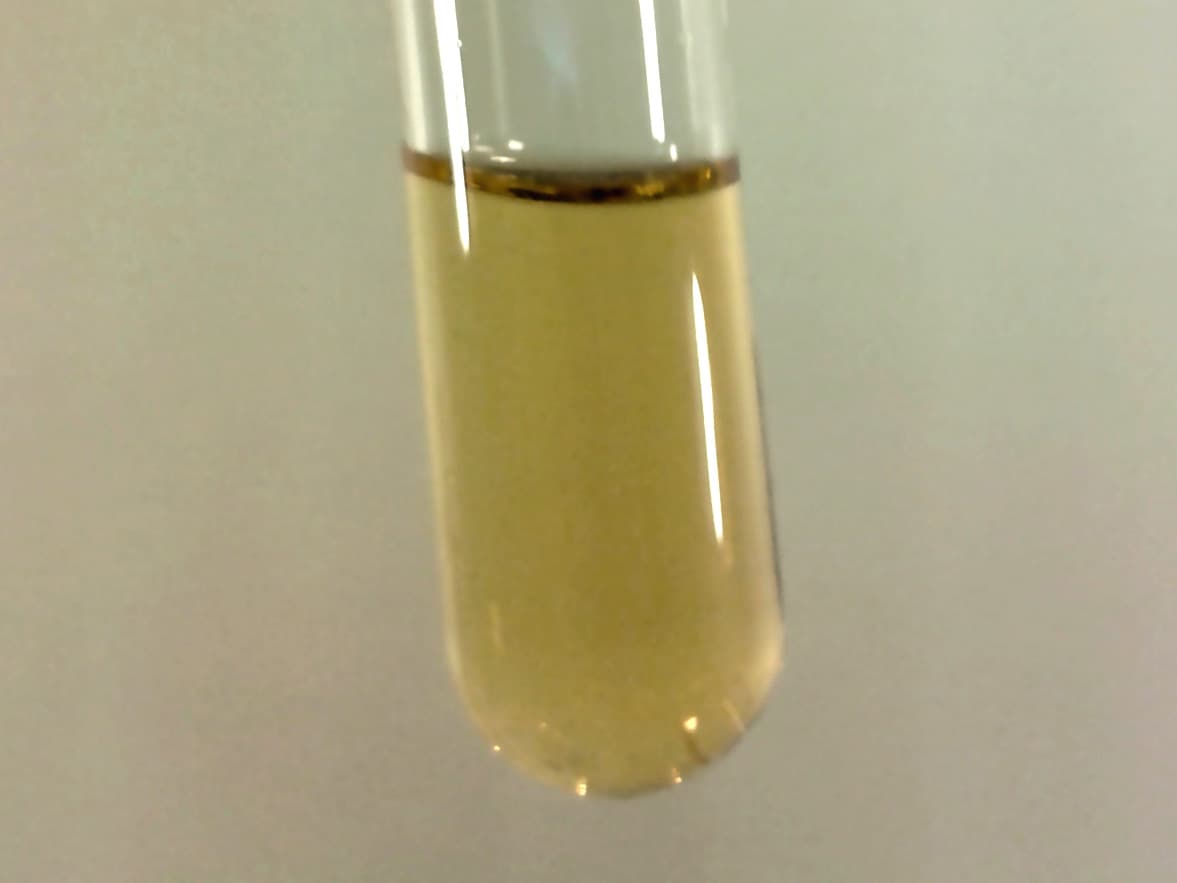
Fluorine is the most electronegative element (3.98 on the Pauling scale). Its 2s2 2p5 configuration needs exactly one electron to reach neon's, and no element can out-pull it. That is why fluorine is the one element whose oxidation state you never have to calculate.
Assuming fluorine works like chlorine. Chlorine reaches +1, +5, even +7 in oxyanions like ClO4-, so students expect fluorine to do the same. It cannot — there is no 'perfluorate,' because nothing can force fluorine positive.
Al3+ needs three F- to balance: AlF3. Used industrially in aluminum smelting.
sodium fluorine compound
Sodium ions can balance F- in simple ionic examples.
calcium fluorine compound
Calcium ions can balance common negative Fluorine ions.
Yes — whether delivered as NaF or SnF2, the active species is the same fluoride ion, which swaps into tooth enamel to form acid-resistant fluorapatite.
No, this is the one case where oxygen goes positive (+2) instead. Fluorine stays -1 even when bonded to oxygen; it is the immovable reference point of oxidation-state rules.
F2 is desperate to gain electrons and reacts with almost everything. F- has already gained its electron — it is satisfied, stable, and safe enough to put in toothpaste.
Combine positive and negative ions so the total charge is zero — or let the ionic compound calculator do the crossing for you. The full chart lives on the periodic table with charges.
Charges and element facts on this page are checked against the primary references below. Found an error? Email hello@periodictablewithcharges.com — corrections ship in the next content update. See how this site is edited.