Name FeCl2 and FeCl3 correctly.
Chloride is always -1, so count: two Cl- means iron is +2 → iron(II) chloride; three Cl- means iron is +3 → iron(III) chloride. The fixed charge of chloride is the tool for reading the metal's charge.
Chlorine commonly forms Cl- Cl+ Cl5+ Cl7+ in introductory ionic compounds.
| Element | Chlorine |
|---|---|
| Symbol | Cl |
| Atomic number | 17 |
| Common ionic charge | -1, +1, +5, +7 |
| Common ions | Cl-, Cl+, Cl5+, Cl7+ |
Images are used as visual references; charge rules still depend on the compound.
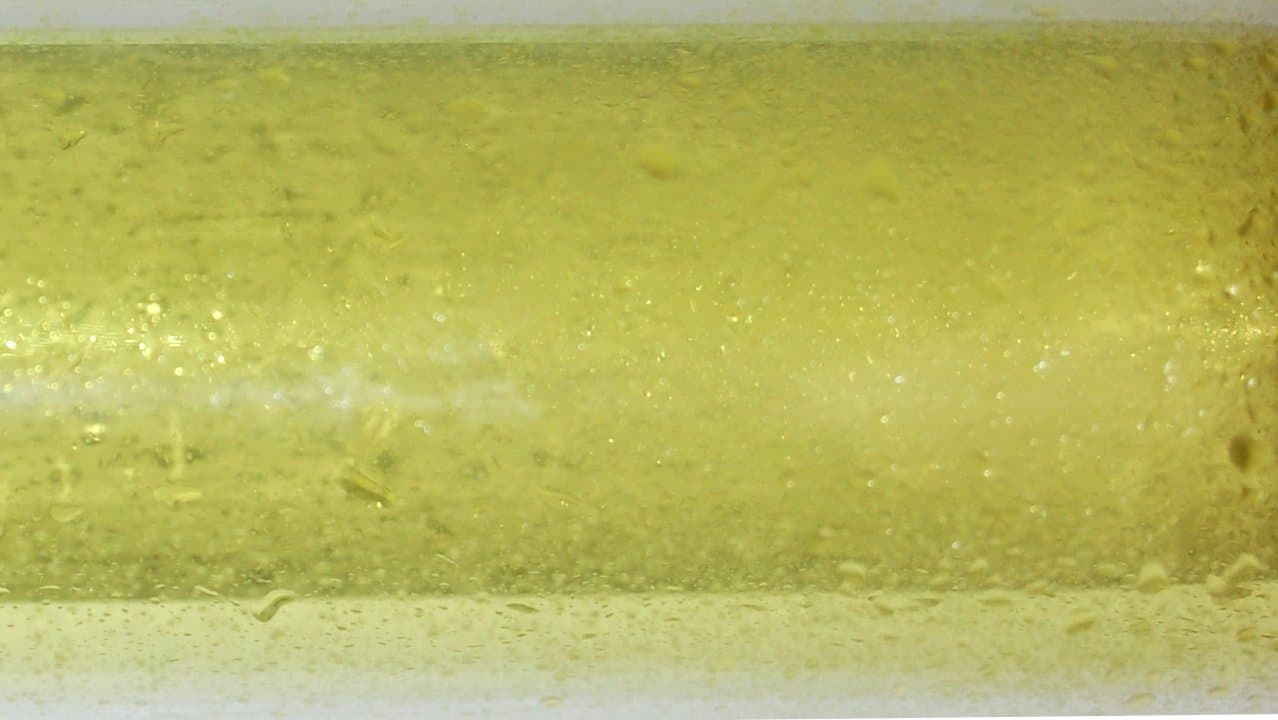
Chlorine is [Ne]3s2 3p5, one electron from argon's configuration, and highly electronegative (3.16) — so it takes one electron from nearly everything. Only oxygen and fluorine pull harder; against them, chlorine's seven valence electrons can all be pushed into the shared column, allowing states up to +7.
Reading 'chlorine' and 'chloride' as synonyms. Chlorine (Cl2) is a toxic yellow-green gas; chloride (Cl-) is half of table salt. On formula problems, the '-ide' ending is your signal to write the -1 ion.
Chloride is always -1, so count: two Cl- means iron is +2 → iron(II) chloride; three Cl- means iron is +3 → iron(III) chloride. The fixed charge of chloride is the tool for reading the metal's charge.
sodium chlorine compound
Sodium ions can balance Cl- in simple ionic examples.
calcium chlorine compound
Calcium ions can balance common negative Chlorine ions.
+1. Household bleach is sodium hypochlorite, NaOCl: with Na at +1 and O at -2, chlorine must be +1. Its eagerness to fall back to -1 is precisely what destroys stains and germs.
The disinfecting species is hypochlorous acid (HOCl, chlorine +1), not chloride. Chloride is what remains after the sanitizer has done its work — harmless and tasteless at pool levels.
In ClO4-, chlorine sits at +7, its most electron-poor state. Falling from +7 back to -1 releases a torrent of energy — ammonium perchlorate provides exactly that in solid rocket boosters.
Combine positive and negative ions so the total charge is zero — or let the ionic compound calculator do the crossing for you. The full chart lives on the periodic table with charges.
Charges and element facts on this page are checked against the primary references below. Found an error? Email hello@periodictablewithcharges.com — corrections ship in the next content update. See how this site is edited.