Write the formula for cobalt(II) chloride and describe its humidity trick.
Co2+ with two Cl-: CoCl2. Anhydrous CoCl2 is blue; grabbing six waters turns it pink (CoCl2·6H2O). The color flip made it the classic humidity indicator in desiccant packs.
Cobalt commonly forms Co2+ Co3+ in introductory ionic compounds.
| Element | Cobalt |
|---|---|
| Symbol | Co |
| Atomic number | 27 |
| Common ionic charge | +2, +3 |
| Common ions | Co2+, Co3+ |
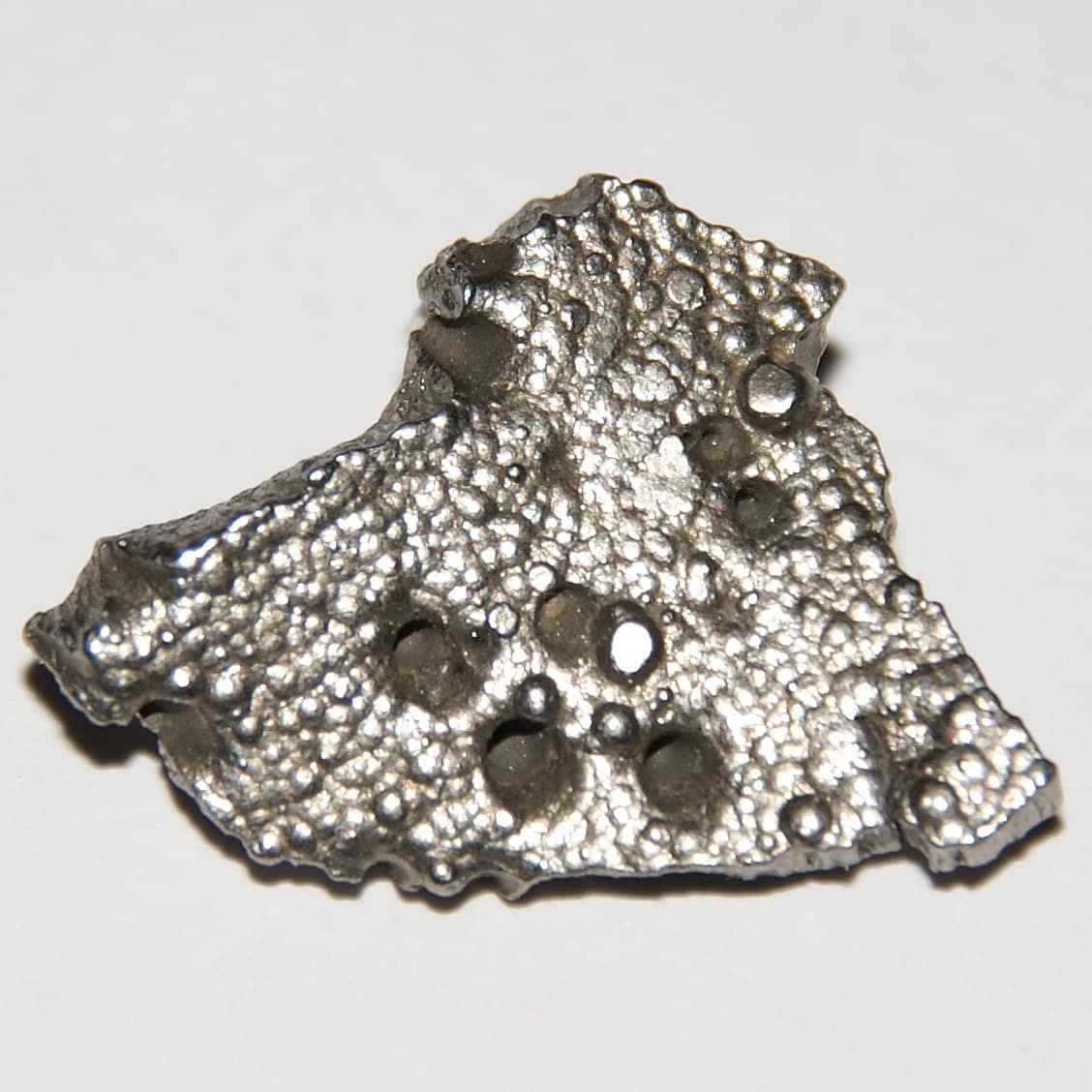
Images are used as visual references; charge rules still depend on the compound.
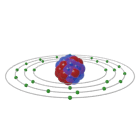
Cobalt is [Ar]3d7 4s2. Losing the 4s pair gives stable Co2+. Bare Co3+ is a fierce oxidizer in water, but wrap it in ammonia or the B12 ring and the +3 state becomes rock-solid — ligands, not just electron count, decide cobalt's preferred charge.
This is a classroom reference range, not an exhaustive list of all oxidation states.
Expecting cobalt(III) salts to sit on a shelf like iron(III) salts do. Simple Co3+ compounds decompose water; students meet Co3+ only inside coordination complexes. For ordinary formula problems, cobalt means Co2+ unless told otherwise.
Co2+ with two Cl-: CoCl2. Anhydrous CoCl2 is blue; grabbing six waters turns it pink (CoCl2·6H2O). The color flip made it the classic humidity indicator in desiccant packs.
Cobalt chloride
Co2+ balances chloride ions.
Cobalt oxide
Cobalt can form oxides where total positive and negative charge balances.
In LiCoO2, cobalt is +3, and it swings toward +4 as the battery charges and lithium leaves. That reversible +3/+4 swing is the electron storage mechanism.
In cobalt glass, Co2+ sits in a four-cornered (tetrahedral) oxygen cage that absorbs red and green light strongly, transmitting blue. The same ion in a six-cornered cage (as in the hydrate) is pink — geometry sets the color.
Same element, different charge and setting: B12 uses Co3+ locked in a corrin ring, performing bond-making chemistry your cells need. Blue glass uses Co2+ as a passive pigment.
Combine positive and negative ions so the total charge is zero — or let the ionic compound calculator do the crossing for you. The full chart lives on the periodic table with charges.
Charges and element facts on this page are checked against the primary references below. Found an error? Email hello@periodictablewithcharges.com — corrections ship in the next content update. See how this site is edited.