Write the formula for aluminum selenide, then predict what it does in water.
Al3+ and Se2- cross to Al2Se3. Water hydrolyzes it to Al(OH)3 and H2Se — hydrogen selenide, a gas even more toxic than H2S. (A thought experiment, not a lab suggestion.)
Selenium commonly forms Se2- Se4+ Se6+ in introductory ionic compounds.
| Element | Selenium |
|---|---|
| Symbol | Se |
| Atomic number | 34 |
| Common ionic charge | -2, +4, +6 |
| Common ions | Se2-, Se4+, Se6+ |
Images are used as visual references; charge rules still depend on the compound.
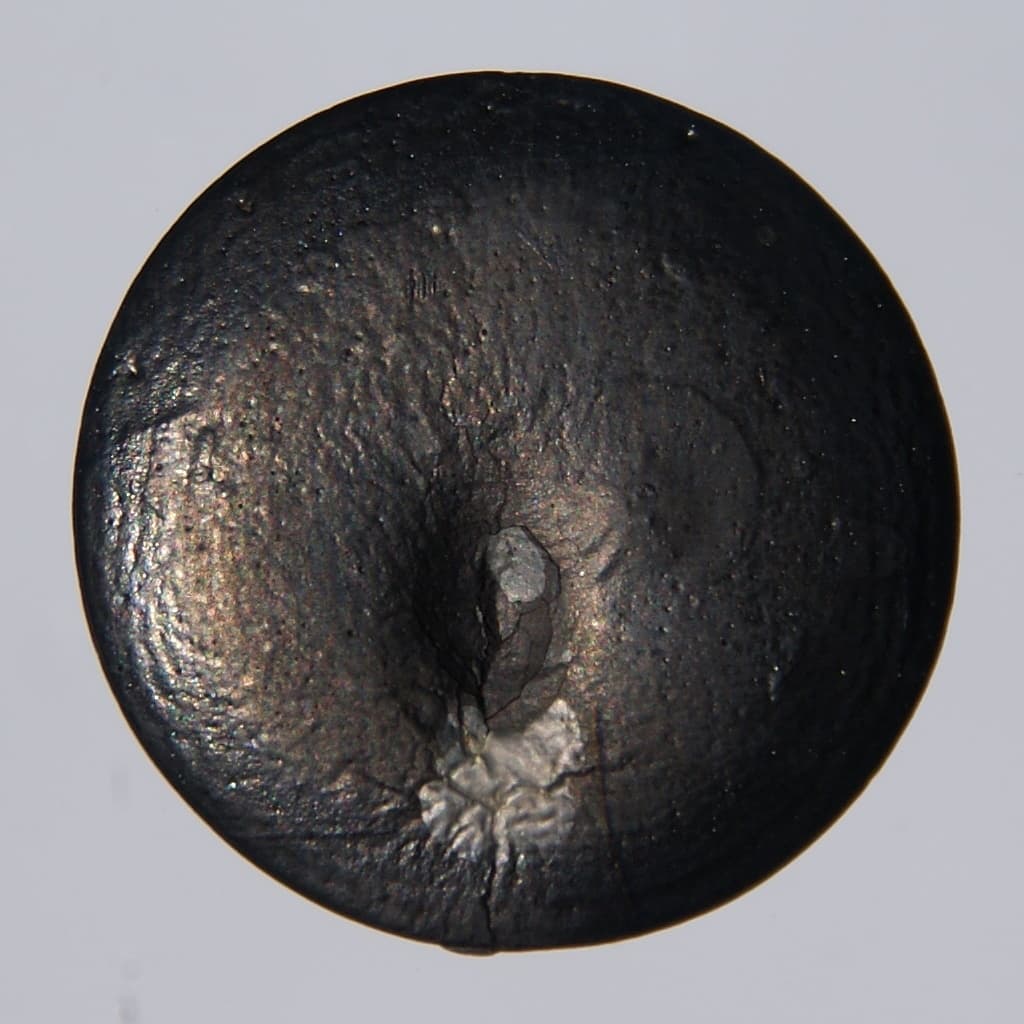
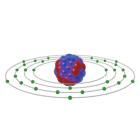
Selenium is [Ar]3d10 4s2 4p4 — six valence electrons, two short of krypton. Metals push it to -2; oxygen pulls it to +4 or +6. Its chemistry so closely shadows sulfur's that selenium slips into sulfur's spots in minerals and proteins alike.
Assuming more selenium is better because it is 'an essential mineral.' The gap between the required dose (~55 µg/day) and toxicity (~400 µg/day) is one of the narrowest of any nutrient — the charge chemistry that makes it a great enzyme cofactor also makes excess reactive.
Al3+ and Se2- cross to Al2Se3. Water hydrolyzes it to Al(OH)3 and H2Se — hydrogen selenide, a gas even more toxic than H2S. (A thought experiment, not a lab suggestion.)
sodium selenium compound
Sodium ions can balance Se2- in simple ionic examples.
calcium selenium compound
Calcium ions can balance common negative Selenium ions.
Selenium sulfide, SeS2, pairs selenium and sulfur so evenly that oxidation states are nearly moot (formally Se +4). It works by slowing the scalp yeast's growth, not through ionic action.
Amorphous selenium at charge 0 is photoconductive — light makes it conduct. The drum holds electrostatic charge in the dark and releases it where light strikes, drawing the page in static electricity.
The '21st amino acid': cysteine with selenium (as -2 selenol) replacing sulfur. Its easier redox switching lets antioxidant enzymes like glutathione peroxidase run faster than sulfur versions could.
Combine positive and negative ions so the total charge is zero — or let the ionic compound calculator do the crossing for you. The full chart lives on the periodic table with charges.
Charges and element facts on this page are checked against the primary references below. Found an error? Email hello@periodictablewithcharges.com — corrections ship in the next content update. See how this site is edited.