Name CrCl3 and find chromium's state in K2Cr2O7.
Three Cl- make chromium +3: chromium(III) chloride. In K2Cr2O7: K contributes +2, seven O contribute -14, so 2Cr = +12 → each Cr is +6.
Chromium commonly forms Cr2+ Cr3+ Cr6+ in introductory ionic compounds.
| Element | Chromium |
|---|---|
| Symbol | Cr |
| Atomic number | 24 |
| Common ionic charge | +2, +3, +6 |
| Common ions | Cr2+, Cr3+, Cr6+ |
Images are used as visual references; charge rules still depend on the compound.
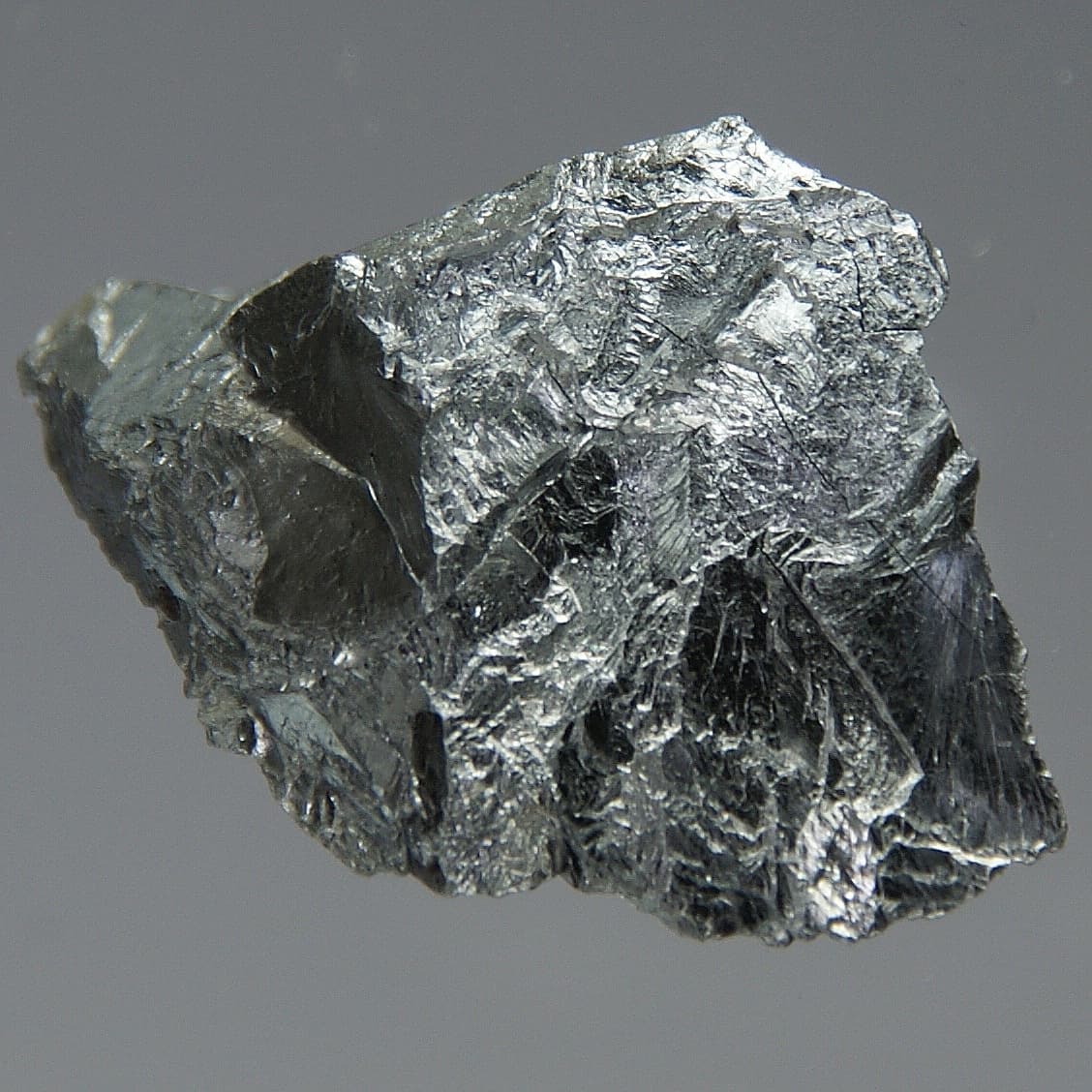
Chromium's configuration is unusual: [Ar]3d5 4s1, with a half-filled d shell. Losing three electrons gives the very stable Cr3+ (d3); pushing all six shared electrons toward oxygen gives +6. The half-filled-shell stability is also why chromium metal resists corrosion well enough to be 'chrome.'
This is a classroom reference range, not an exhaustive list of all oxidation states.
Treating all chromium compounds as equally safe. Cr3+ is an essential trace nutrient, while Cr6+ (chromates) is toxic and carcinogenic — the villain of the Erin Brockovich case. Same element; the charge state changes the biology entirely.
Three Cl- make chromium +3: chromium(III) chloride. In K2Cr2O7: K contributes +2, seven O contribute -14, so 2Cr = +12 → each Cr is +6.
Chromium chloride
Cr2+ balances chloride ions.
Chromium oxide
Chromium can form oxides where total positive and negative charge balances.
Zero in the bulk metal — but the surface instantly grows a Cr2O3 film (chromium +3) that seals out oxygen and water. Stainless steel is stainless because of that +3 oxide skin.
The same Cr3+ ion sits in different host crystals (corundum vs beryl), which squeeze its d orbitals differently. The gap between orbital energies sets which light is absorbed — host changes gap, gap changes color.
Color is the first clue: +6 compounds run yellow (chromate) to orange (dichromate); +3 solutions are green to violet. Adding acid or base flips chromate and dichromate into each other while staying +6.
Combine positive and negative ions so the total charge is zero — or let the ionic compound calculator do the crossing for you. The full chart lives on the periodic table with charges.
Charges and element facts on this page are checked against the primary references below. Found an error? Email hello@periodictablewithcharges.com — corrections ship in the next content update. See how this site is edited.